A 141-year-old Texas candy maker didn’t lose to changing tastes—it lost to the invisible math of cocoa, wages, and shoppers who stopped treating sweets like a small luxury.
Story Snapshot
- Lammes Candies, founded in Austin in 1885, is closing all physical retail locations after citing “changing market conditions and long-term sustainability issues.”
- Record-high cocoa prices, inflation-driven labor costs, and softer discretionary spending squeezed a family-run brand that can’t spread costs like candy giants can.
- The Round Rock store posted a closure notice on April 24, 2026; the Austin site at 5330 Airport Blvd. (including manufacturing) is also set to close, with timing still uncertain.
- Online sales continue while inventory lasts, as the company winds down and focuses on fulfilling orders and supporting employee transitions.
Lammes Candies and the Slow-Burn Crisis Behind a Sudden Goodbye
Lammes Candies built its reputation the old way: a local shop, a family name, and signature sweets that tourists carried home like souvenirs. Founded by German immigrant Rudolph Lammes in 1885, the business survived eras that killed plenty of competitors—depressions, wars, and even the pandemic years. The shock in 2026 isn’t that a candy store closed; it’s that endurance finally met a set of costs that refused to blink.
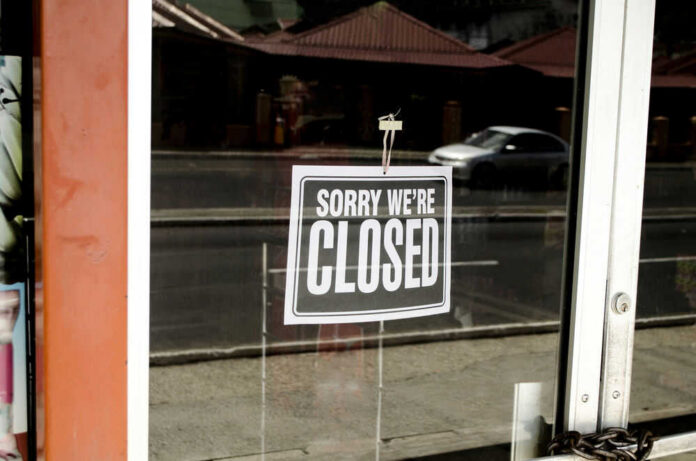
Retail closures began showing up in plain language rather than dramatic press conferences. A notice appeared at the Round Rock location on April 24, 2026, telling customers the chain would permanently close all retail sites due to “changing market conditions and long-term sustainability issues.” The Austin location at 5330 Airport Blvd.—the emotional center of the operation because it includes manufacturing—was also marked for closure, but without a firm date at the time of reporting.
Cocoa Became the Quiet Executioner of Small Chocolatiers
Cocoa prices spiked to historic highs in late 2025, tied to supply issues in West Africa such as drought and disease. That matters because cocoa isn’t a background ingredient for chocolate makers; it’s the foundation. Big manufacturers can hedge more effectively, redesign product sizes, or negotiate broader contracts. A regional, family-run producer has fewer levers. When a core input swings wildly, “just raise prices” sounds simple until customers start walking away.
Inflation piled on where consumers notice less but operators feel it every hour: labor, utilities, packaging, insurance, and borrowing costs in a higher-rate environment. That combination creates the worst kind of squeeze—costs up, demand down. The reporting around Lammes points to tightening consumer spending on non-essentials, and candy is the definition of a non-essential. People still want treats, but they increasingly buy fewer, trade down, or skip the add-on purchase they used to justify.
Why “Beloved” Doesn’t Protect a Business Model
Americans love the idea of local institutions, but love rarely arrives in the form of predictable margin. Lammes didn’t just sell sugar; it sold tradition—Texas tortillions and pecan pralines with the story of six generations behind them. Yet the market doesn’t grade on nostalgia. A family company usually avoids the bad habits of corporate bureaucracy, but it also lacks the scale to absorb commodity shocks. When costs jump faster than pricing power, sentiment becomes a souvenir.
Ownership realities also matter, and the reporting highlights aging ownership as part of the equation. Succession is the unglamorous cliff many family businesses approach without admitting it. A crisis in inputs like cocoa can force the question: who’s willing to shoulder the next chapter, sign the next lease, and bet personal finances on a rebound that may take years? That is where “long-term sustainability issues” stops sounding like PR and starts sounding like exhaustion.
The “Orderly Wind-Down” Tells You This Was a Decision, Not a Collapse
Lammes signaled an orderly wind-down: fulfill orders, support employee transitions, and continue online sales while inventory lasts. That language suggests the company isn’t necessarily tumbling through bankruptcy court; it’s choosing to close before the math gets uglier. That’s a hard but rational move.
The human impact still lands the same. Jobs disappear, even if the company handles the exit responsibly. Communities lose a third place—a small ritual destination where grandparents took kids, where a box of pralines served as an apology, a thank-you, or a holiday anchor. When manufacturing ends, it also ends the know-how that lives in routines: cooling times, texture cues, small fixes that never make it into a recipe card. Online sales can move product, but they rarely replace a living workshop.
This Closure Fits a Wider Pattern, and the Pattern Isn’t Finished
Lammes isn’t an isolated tragedy. A Dallas-area chocolatier, Kate Weiser Chocolate, closed in mid-April 2026 citing similar pressures. The pattern looks like this: cocoa volatility hits; labor and overhead follow; consumers pull back; independents either downsize or disappear. Consolidation accelerates because large players can tolerate shocks that wipe out smaller brands. The market calls that efficiency. A town calls it losing something that made it feel like home.
Beloved candy company shutters after 141 years as costs soar https://t.co/qOSO0imrQo
— FOX Business (@FoxBusiness) May 5, 2026
The final question hangs over every “iconic” small business: can online-only preserve a legacy, or does it turn a place into a product? Lammes can still sell remaining inventory online, but the physical experience—walking in, smelling sugar and chocolate, watching a tradition continue—ends when the doors lock. If cocoa stays expensive and inflation keeps punishing the little guy, more closures will follow, and Americans will keep acting surprised by something the numbers have been predicting all along.
Sources:
TheStreet – 141-year-old candy store chain closes all retail locations