
Iran’s rejection of the White House peace plan is a blunt reminder that Washington can’t “message” its way out of a Middle East war once missiles are already in the air.
Quick Take
- Iran rejected a U.S.-delivered 15-point peace plan sent through Pakistan as the war hit roughly its 40th day.
- The White House insists negotiations remain “productive,” while warning Iran that the U.S. could escalate if talks fail.
- Key plan details circulating publicly appear to be partly unconfirmed; the administration disputes anonymous leak accuracy.
- Iran’s reported demands include a halt to attacks, reparations, and recognition tied to the Strait of Hormuz—terms the U.S. has not publicly accepted.
Iran’s “No” Lands as Talks Run Through Pakistan
Iranian state media reported that Tehran rejected a U.S. peace proposal described as a 15-point plan delivered via Pakistan.
A senior Iranian political-security official said Iran would continue what it called defensive operations until its conditions are met, framing the American proposal as exaggerated.
The channel matters: routing the offer through Pakistan underscores how limited direct U.S.-Iranian engagement remains, even amid an active war.
U.S. officials have publicly described the talks as ongoing, but the rejection is a clear setback for anyone hoping the conflict was nearing an off-ramp.
For American voters—especially those who remember decades of “temporary” deployments that turned into open-ended commitments—the mediator-driven process can feel like Washington is managing escalation rather than ending it. The basic fact remains: Tehran said no, and operations continue.
What the White House Confirmed—and What It Disputed
White House Press Secretary Karoline Leavitt addressed the rejection the same day and projected optimism that negotiations were not at a dead end.
The administration also pushed back on the idea that every detail circulating about a 15-point plan is fully accurate, warning that anonymous-source reporting can blend truth with misinformation. That dispute matters because the public debate often treats leaked bullet points as settled policy, even when officials won’t verify them.
Iran has rejected a 15-point US proposal for a truce, setting out its own five conditions for bringing an end to the conflict: Here's your Evening Briefing https://t.co/qljPOuXlOt
— Bloomberg (@business) March 25, 2026
Leavitt’s message combined diplomacy with deterrence: President Trump is willing to listen, but the U.S. will respond forcefully if Iran does not negotiate in good faith.
Reports describe a negotiating window measured in days, paired with U.S. military pressure that can be dialed up or down. For conservatives wary of executive overreach and permanent war footing, the key question is whether Congress and the public will get clear, verified terms before commitments deepen.
Competing Endgames: Nuclear Demands vs. Iranian Conditions
Regional reporting described a package in which U.S. incentives could include sanctions relief and a temporary halt to certain strikes—particularly those affecting energy infrastructure—if Iran agrees to major nuclear-related concessions.
Iran’s stated counter-conditions reportedly include an end to attacks, reparations, and recognition tied to the Strait of Hormuz. The mismatch is obvious: Washington wants strategic rollback; Tehran wants security guarantees and political recognition on its terms.
Because the White House disputes the full accuracy of leaked details, the public cannot treat every reported demand as final.
Still, the broad outlines create a predictable standoff: the U.S. views Iranian nuclear and regional threats as unacceptable, while Iran argues continued operations are justified until pressure ends.
That dynamic can trap both sides in escalation cycles, with “talks” serving as a parallel track to continued strikes rather than a clear pathway to a ceasefire.
Energy Pressure, Strait of Hormuz Risk, and Why Costs Keep Rising
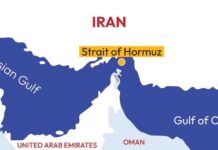
The conflict’s economic stakes hinge on energy and shipping risk, including any disruption tied to the Strait of Hormuz. Even without a formal closure, credible threats to infrastructure and transit routes can tighten markets and keep costs elevated.
The reported U.S. offer to temporarily pause strikes on energy infrastructure suggests Washington recognizes the blowback potential. For families already frustrated by high prices, war-driven volatility hits like a hidden tax layered on top of domestic fiscal stress.
Politically, the war tests a core promise many voters associated with Trump-era foreign policy: avoiding new long, costly conflicts while keeping America strong.
The administration argues that pressure is producing talks and could force concessions. Skeptics see a familiar pattern—escalation, partial pauses, and shifting objectives—without a clearly defined endpoint that the public can measure. With Iran rejecting the plan, the next moves will determine whether diplomacy becomes real de-escalation or simply a pause between strikes.
For now, the only verified bottom line is limited but significant: Iran publicly rejected the proposal, the White House says discussions continue, and officials caution that leaked plan details may be incomplete or distorted.
Americans deserve clarity about objectives, timelines, and constitutional accountability before the country slides deeper into another open-ended fight. If the administration has a workable peace framework, it will need to present terms that can survive public scrutiny—not just headlines.
Sources:
Iran rejects US 15-point peace plan, vows to continue operations
White House projects optimism hours after Iran rejects US peace plan