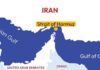
Wall Street now sees a 30% chance of recession in 2026, fueled by skyrocketing oil prices from the U.S.-Iran war that Trump promised to avoid, hitting American families already strained by endless foreign entanglements.
Story Snapshot
- Goldman Sachs raises U.S. recession odds to 30% from 25%, citing oil shocks from Iran conflict, labor weakness, and fading fiscal supports.
- Q4 2025 GDP grew at just 0.7%, with unemployment projected to hit 4.6% amid war-driven energy costs squeezing households.
- Other banks like JPMorgan (35%) and Moody’s (49%) warn of higher risks, as stock markets decline on conflict news.
- MAGA base questions endless wars after Trump’s no-new-wars pledge, with high gas prices reviving painful memories of past interventions.
Goldman Sachs Sounds Alarm on Recession Risks
Goldman Sachs elevated its 2026 U.S. recession probability to 30% on March 24, 2026, up from 25%. Analysts pointed to converging pressures: higher oil prices tied to U.S.-Iran war tensions, labor market fatigue nearing breakeven hiring, and expiring fiscal boosts from prior tax cuts and spending. Nasdaq and Russell 2000 stocks fell amid the news.
This marks a shift from soft-landing hopes to recognized economic fragility, though Goldman holds a 70% no-recession view contingent on Federal Reserve rate cuts later in the year.
Goldman Sachs just raised US recession odds to 30%, the third bump in 90 days.
Growth is slipping below potential, oil is stuck around crisis levels, and credit is tightening into a weakening jobs market.
This is what the start of a recession actually looks like in real time.…
— StockMarket.News (@_Investinq) March 24, 2026
Pre-Existing Weakness Meets War-Fueled Oil Shock
U.S. real GDP expanded at a sluggish 0.7% annualized rate in Q4 2025, already signaling stall speed around 1% projected growth. Early 2026 saw an oil price surge amid escalating U.S.-Iran hostilities, inflating energy costs and curbing demand.
Labor markets show signs of softening, with unemployment forecast to reach 4.6%. Historical signals like the Sahm Rule—where unemployment rises 0.5% above recent lows—flash warnings, mirroring perfect predictors of past recessions since 1950. Consumers face pinched purchasing power as gasoline prices climb.
Wall Street Consensus Builds on Multiple Threats
JPMorgan pegs recession odds at 35%, cautioning against market complacency amid oil shocks’ demand destruction, with a baseline 2026 GDP of 2.2% sans stimulus. Bank of America highlights underpriced risks from prolonged conflict.
Morgan Stanley pushed back expected Fed cuts to September due to oil and labor drags. Moody’s Mark Zandi sees 49% odds, potentially over 50% if oil remains elevated.
EY-Parthenon’s Gregory Daco estimates 40%, with a geopolitical component. Société Générale’s Albert Edwards flags unemployment trends breaching three-year averages, a harbinger of a 100% recession.
Recession odds climb on Wall Street as economy shows cracks beneath the surface. The economy last year lost more than half a million jobs excluding health care. https://t.co/EtRBaEwfsx
— Jeff Cox (@JeffCoxCNBCcom) March 25, 2026
Impacts Hit American Workers and Families Hard
Short-term effects include oil-driven inflation eroding household budgets, stock market dips, and delayed Fed relief. Long-term, a recession—defined by two consecutive negative GDP quarters or an NBER declaration—could echo the 1970s stagflation caused by energy crises.
Workers brace for job losses at 4.6% unemployment. Political debates intensify over fiscal stimulus amid war spending. Energy sector prices soar, markets unwind complacency, yet U.S. growth may outperform global peers at 2.8% per Goldman. Polymarket traders bet 65.5% against recession by year-end, contrasting bank pessimism.
Divergent Views Amid Uncertainty
Banks align on oil, labor, and fiscal fade risks but diverge on the odds, ranging from 30% to 49%. Polymarket shows optimism, with a 65.5% probability of no recession. Stanford SIEPR anticipates modest job growth and stable unemployment.
Resilience in consumer spending offsets weak hiring, but uncertainties loom: the persistence of oil prices, the Fed’s timing, and the risk of war with Iran. No major forecaster calls a recession outright, yet the economy teetered on a tipping point before war shocks layered on.
Sources:
Goldman Sachs Resets Recession Risks for 2026
Recession outlook: Unemployment chart, downturn, Sahm Rule, Wall Street 2026
Polymarket: US Recession by End of 2026
US Economy 2026: What to Watch – Stanford SIEPR
JPMorgan: A Baseline Forecast for 2026