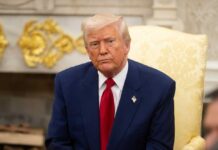
President Trump’s directive to the military over unverified claims of Christian killings in Nigeria has sparked a global controversy, threatening to escalate diplomatic tensions.
Story Highlights
- Trump orders military planning over claims of Christian killings in Nigeria.
- Nigerian government denies allegations, calls for diplomatic engagement.
- U.S. State Department emphasizes the need for verified intelligence before action.
- International organizations urge restraint and fact-based policy.
Trump’s Directive to the Military
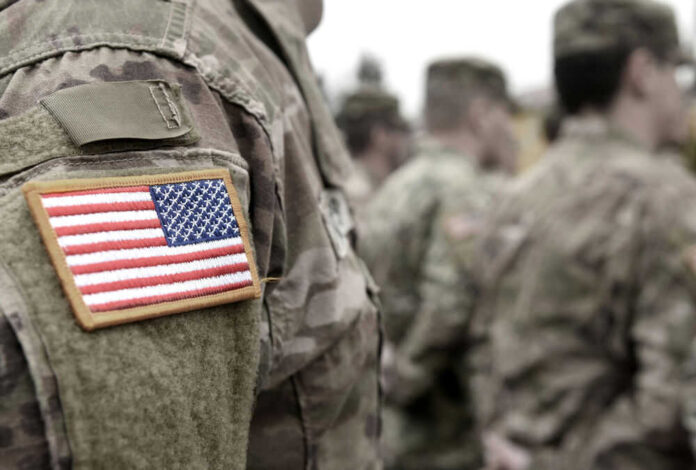
President Donald Trump has instructed the U.S. military to prepare for possible action following his claim that the Nigerian government is allowing the killing of Christians.
This directive, made public during a recent appearance, has brought international attention to the issue, sparking debates on U.S. foreign policy and the accuracy of Trump’s assertions.
Trump’s involvement in military planning based on unverified claims highlights the potential risks of misinformation driving international relations. Critics argue that such actions could undermine diplomatic efforts and escalate tensions between the U.S. and Nigeria.
Nigerian Government and International Response
In response to Trump’s claims, the Nigerian government has vehemently denied any complicity in the alleged killings, calling for diplomatic engagement to resolve the issue. Officials have invited a U.S. delegation to assess the situation on the ground, emphasizing their commitment to addressing religious violence.
The U.S. State Department has reiterated the importance of verified intelligence before taking any military action. International organizations, including the United Nations and the African Union, have urged restraint and a fact-based approach to policy-making, warning against the consequences of hasty decisions.
U.S. President Donald Trump on Saturday said he's ordered the Pentagon to begin planning for potential military action in Nigeria as he stepped up his criticism that the government is failing to rein in the persecution of Christians in the West African… https://t.co/mo6rKRiRz7
— The Washington Times (@WashTimes) November 1, 2025
Potential Implications and Expert Opinions
The controversy has significant implications for U.S.-Nigeria relations and the broader context of religious freedom advocacy. Security analysts warn against military action based on unverified claims, emphasizing the need for independent investigations to avoid politicization of the issue.
Diplomatic commentators stress the importance of multilateral engagement and fact-based policy to address the complex religious tensions in Nigeria. As debates continue, the situation underscores the critical role of credible sources and thorough verification in shaping international policy decisions.
Sources:
Human Rights Watch. (2023). “Nigeria: Religious Violence and Government Response.”
Amnesty International. (2024). “Annual Report: Nigeria.”
Reuters. (2020, 2025). “Trump’s Statements on Nigeria.”
BBC News. (2024, 2025). “Nigeria: Religious Tensions.”
CNN. (2025). “U.S. State Department Response to Trump’s Claims.”
Channels TV. (2025). “Nigerian Government Denies Allegations.”
Al Jazeera. (2025). “International Reaction to Trump’s Directive.”
Council on Foreign Relations. (2025). “Security Implications of U.S. Military Action.”
Brookings Institution. (2025). “Diplomatic Analysis: U.S.-Nigeria Relations.”
Harvard Africa Policy Review. (2024). “Historical Context of Nigerian Religious Violence.”
Yale Law Journal. (2023). “Presidential Authority and Military Planning.”