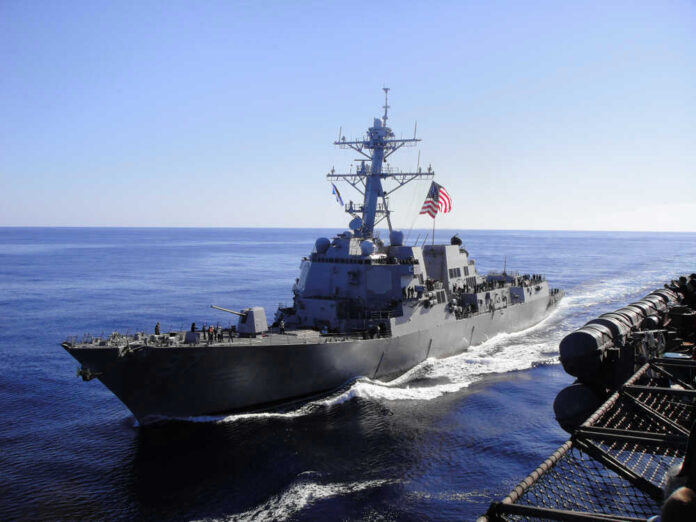
President Trump’s decisive deployment of the USS Abraham Lincoln Carrier Strike Group near Iran delivers a powerful message of American strength, countering Tehran’s threats to our allies and energy security.
Story Snapshot
- USS Abraham Lincoln CSG arrived in the Middle East, positioned near Iran with destroyers, F-35Cs, and Super Hornets for multi-layered defense.
- Deployment ordered by President Trump amid Iran’s protest crackdowns and nuclear escalations, following the 2025 U.S. strikes on Iranian nuclear sites.
- Additional assets include F-15Es in Jordan, B-52s in Qatar, and missile defenses for Israel, bolstering deterrence against IRGC threats.
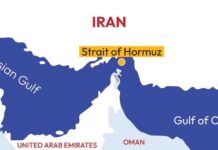
- Buildup protects Strait of Hormuz—key to 20% of global oil—and signals U.S. commitment to allies like Israel and the U.K.
- Trump warns Iran while hoping to avoid conflict, emphasizing readiness over weakness.
USS Abraham Lincoln CSG Arrives Near Iran
Israel’s Channel 13 confirmed the USS Abraham Lincoln Carrier Strike Group reached the Middle East over the weekend. The group transited the Strait of Malacca on January 20, entered the Gulf of Oman and Arabian Sea later that month, and is now positioned near Iran.
Arleigh Burke-class destroyers armed with Tomahawk missiles accompany the carrier. Carrier Air Wing 9 equips F-35C Lightning II stealth fighters and F/A-18E/F Super Hornets for strike and air superiority missions. This rapid shift from the Asia-Pacific underscores U.S. resolve under President Trump.
The U.S. Navy’s Lincoln carrier strike group has arrived in the Middle East, per Israel’s Channel 13.
The group brings significant strike and air defense capabilities to the region. pic.twitter.com/XIHgajZolX
— OSINTtechnical (@Osinttechnical) January 25, 2026
Trump’s Orders Respond to Iranian Aggression
President Donald Trump directed the deployment amid heightened U.S.-Iran tensions. Iran’s Islamic Revolutionary Guard Corps suppresses domestic protests and issues threats to U.S. bases under Supreme Leader Ayatollah Ali Khamenei.
Recent triggers trace to U.S. Operation Midnight Hammer strikes on Iranian nuclear facilities in June 2025 using B-2 Spirits. Summer 2025 saw destroyer and submarine buildups.
Trump describes a “big flotilla” en route, warning Iran of nuclear escalation while expressing hope to avoid action. This posture deters reprisals and protects American interests abroad.
Multi-Domain Buildup Strengthens Defenses
U.S. Air Force deploys F-15E Strike Eagles to Jordan and B-52 Stratofortress bombers to Qatar—a missile defense vessel heads to Israel, with Patriot and THAAD systems reinforcing bases. C-17 cargo jets and tankers support logistics.
The U.K. sends RAF Typhoon squadrons to Qatar under defense agreements. Qatar and Jordan host U.S. assets. As of January 26, the CSG nears full Arabian Sea integration.
Navy officials confirm the positioning boosts striking power. Allies gain layered protection against Iranian missiles and asymmetric attacks.
IRGC rhetoric escalates with videos mapping U.S. bases, claiming a “finger on the trigger.” U.S. forces hold offensive superiority through Tomahawks, advanced fighters, and bombers versus Iran’s Hormuz closure threats.
Implications for Energy Security and Alliances
The Strait of Hormuz carries 20 million barrels of oil per day, 20% of the global oil supply. Iranian threats risk price spikes and economic disruption. In the short term, the buildup deters attacks on U.S. personnel, Israel, and the Gulf states.
Long-term, it signals sustained American commitment, straining U.S.-Iran ties but reinforcing pacts with Israel and the U.K. Iranian protesters face regime crackdowns amid heightened alerts. Defense sectors see demand for systems like THAAD. Energy markets brace for volatility from any escalation.
Analysts from The War Zone note the CSG adds missile capacity for strikes or defense, though full sustained operations await more fighters. Consensus views this as deterrence, echoing pre-2025 strike preparations.
Trump prioritizes strength to avoid the weakness that invites aggression, safeguarding conservative values of security and sovereignty.
Sources:
U.S. aircraft carrier strike group reaches Middle East: Report
Jerusalem Post article on U.S. officials and deployments
The War Zone: Military buildup in the Middle East continues
Geopolitical Monitor: What the US military posture shift means