
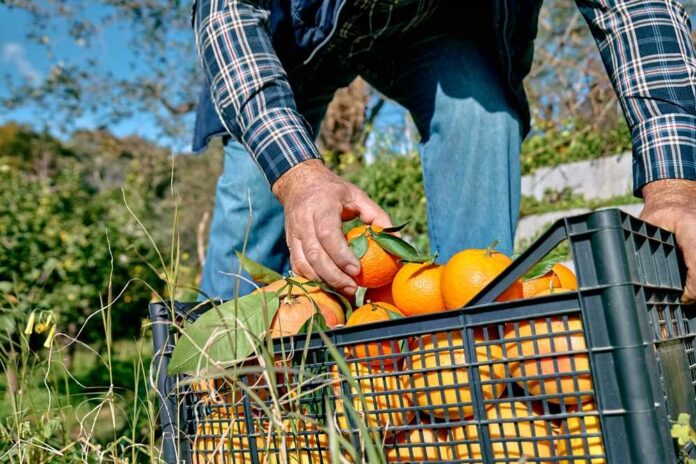
Florida’s citrus growers face their toughest fight yet as the worst drought in 25 years piles onto decades of disease and storms, driving up costs that hit American families in the wallet.
Story Highlights
- Florida endures 100% drought coverage, over 75% extreme, the worst in 25 years, spiking irrigation costs during critical bloom periods.
- Citrus acreage plummeted from 800,000 acres in 2000 to 200,000 today due to greening disease, hurricanes, and freezes.
- Dundee Citrus Growers Association deploys CUPS technology, yielding 8,000-10,000 boxes per 10 acres with better protection.
- Industry supplies 17-20% of U.S. citrus, vital for rural jobs; reduced output means higher orange juice prices nationwide.
Drought Hits Historic Lows
The U.S. Drought Monitor shows 100% of Florida under drought as of early 2026, with more than 75% in extreme conditions—the worst in 25 years. Growers pump water nonstop during bloom to save fruit sizing, but diesel and electric costs soar.
Citrus Under Protective Screens (CUPS) from Dundee Citrus Growers Association (DCGA) deliver precise irrigation within screened pods, shielding trees from psyllids that spread greening disease. This innovation stands as private-sector resilience against nature’s assault and past policy neglect of rural America.
Decades of Decline Accelerate
Florida citrus peaked at over 800,000 acres around 2000 but has since shrunk to about 200,000 acres amid citrus greening, which starves trees by blocking nutrients. Hurricanes like Irma in 2017 and Ian in 2022 uprooted groves, while freezes slashed yields by 70% in 2010-2011.
The state produces 17-20% of U.S. oranges, grapefruit, and other crops, fueling Polk County’s economy. Now, drought forces small growers to choose between bankruptcy and endless pumping, underscoring how federal inaction left hardworking families exposed.
CUPS Offers Path Forward
DCGA, managing over 10,000 acres as Florida’s largest fresh fruit co-op, uses CUPS pods that yield 8,000-10,000 boxes per 10-acre unit—far outpacing open groves.
Trees grow faster when screens block disease vectors and regulate moisture. CEO Steven Callaham calls challenges temporary: “We’re going to make it through.”
VP Jennifer Schaal deems citrus a lifeline for Floridians; Agronomy Director Bill Bohde stresses the importance of bloom watering for sizing. This American ingenuity counters government overreach that failed to protect agriculture from disasters.
USDA reports mixed yields: grapefruit down 8%, lemons up 4%. Without scaling CUPS, acreage contraction risks total industry collapse by 2035, per forecasts.
Economic Ripple Effects Nationwide
Irrigation expenses erode margins in the short term, threatening orange supplies and hiking juice prices for everyday Americans already squeezed by past inflation.
Long-term, job losses loom in Bartow and Polk County, rural communities dependent on citrus for stability. Reduced Florida output boosts imports from California and Brazil, hurting U.S. self-reliance.
Political calls for aid echo post-hurricane relief, but conservatives know real fixes come from deregulation and innovation, not endless spending. DCGA’s optimism highlights grit over handouts.
Florida drought deepens strain on citrus industry as growers battle costs, disease https://t.co/Qb9YcXjPwd
— FOX Business (@FoxBusiness) March 12, 2026
Sources:
Florida drought deepens strain on citrus industry as growers battle costs, disease
Florida citrus growers battle drought, costs and disease
Florida’s Worst Drought in 25 Years Puts Citrus Industry Under Severe Strain
Florida Drought Slashes Citrus Supply, Rising Costs and Disease Squeeze Growers